
European Solidarity Corps (ESC) volunteering is often presented as a life-changing experience filled with intercultural exchange, personal growth, and meaningful contribution. And while this can absolutely be true, it is also important to speak honestly about the other side of the journey. ESC is not always easy, smooth, or joyful—and that does not mean it has failed.
At Future in Our Hands, we believe that sharing real stories, including the difficult ones, is essential. Challenges, disappointment, and even moments of loneliness can be part of the ESC experience. What truly matters is understanding that these moments do not define your worth as a volunteer, nor do they cancel the impact you make. Sometimes, growth comes precisely from navigating discomfort.
This is Seda’s honest reflection on her ESC experience in Latvia—a story of struggle, adaptation, and meaningful human connection.
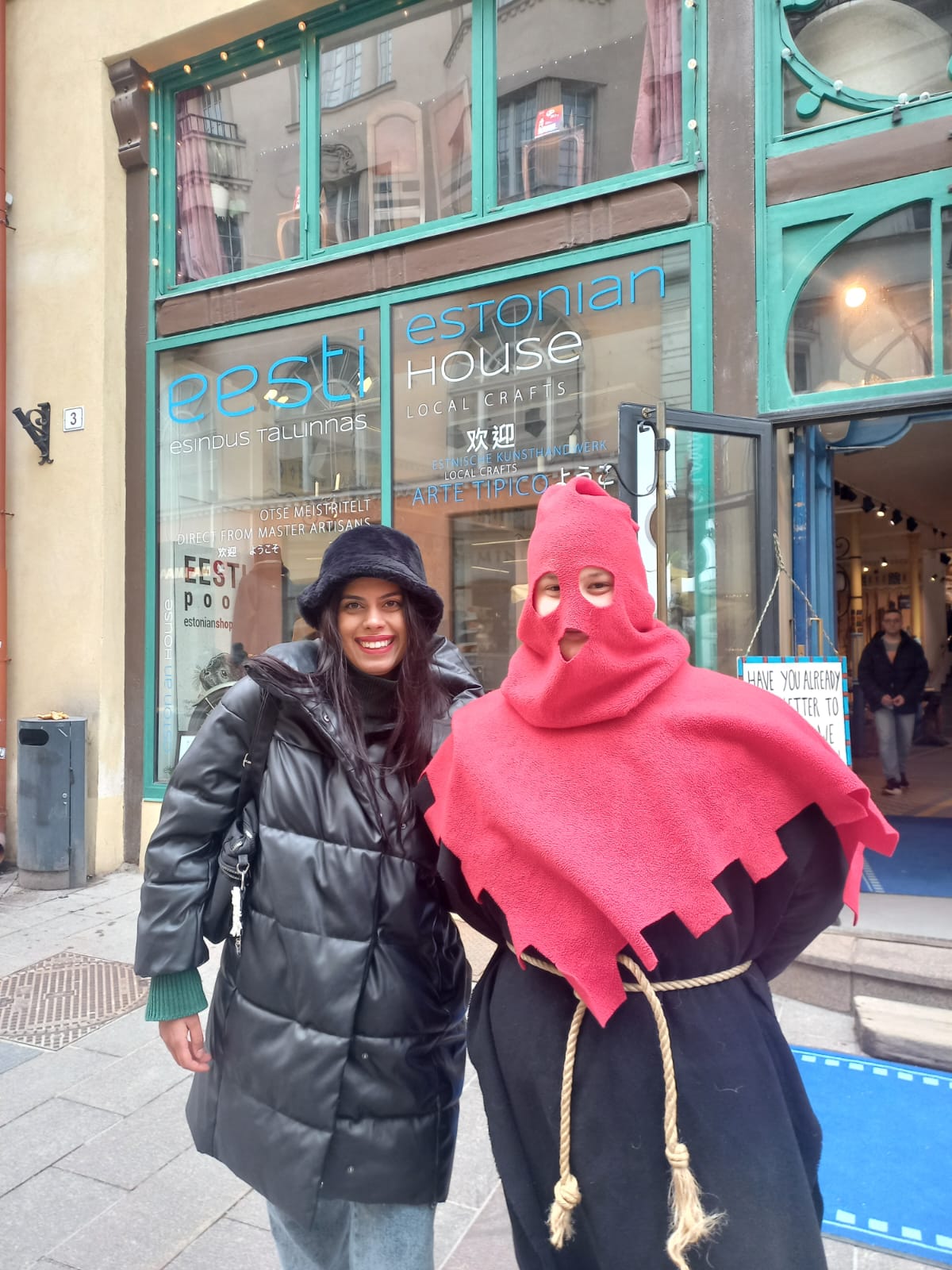
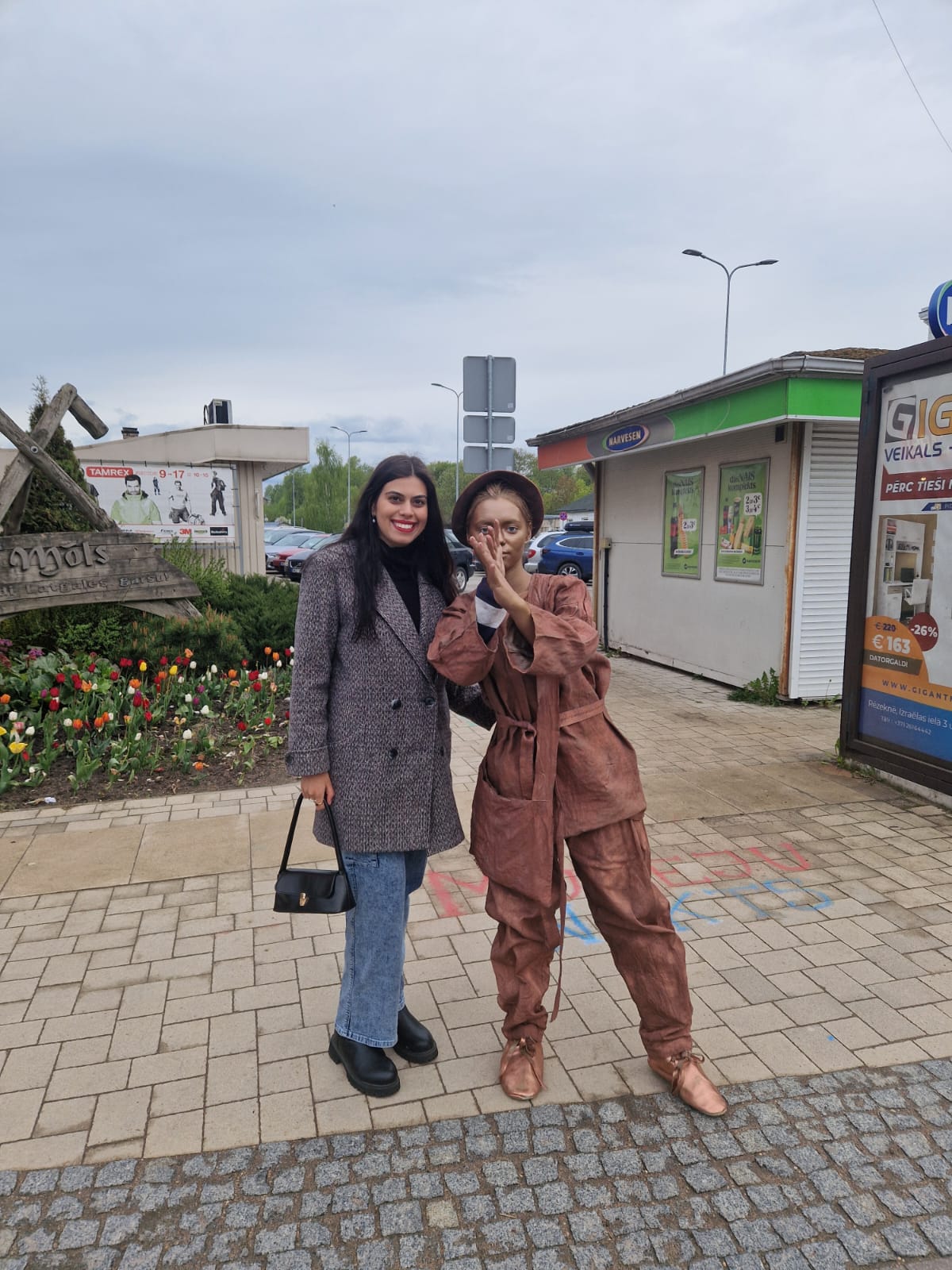
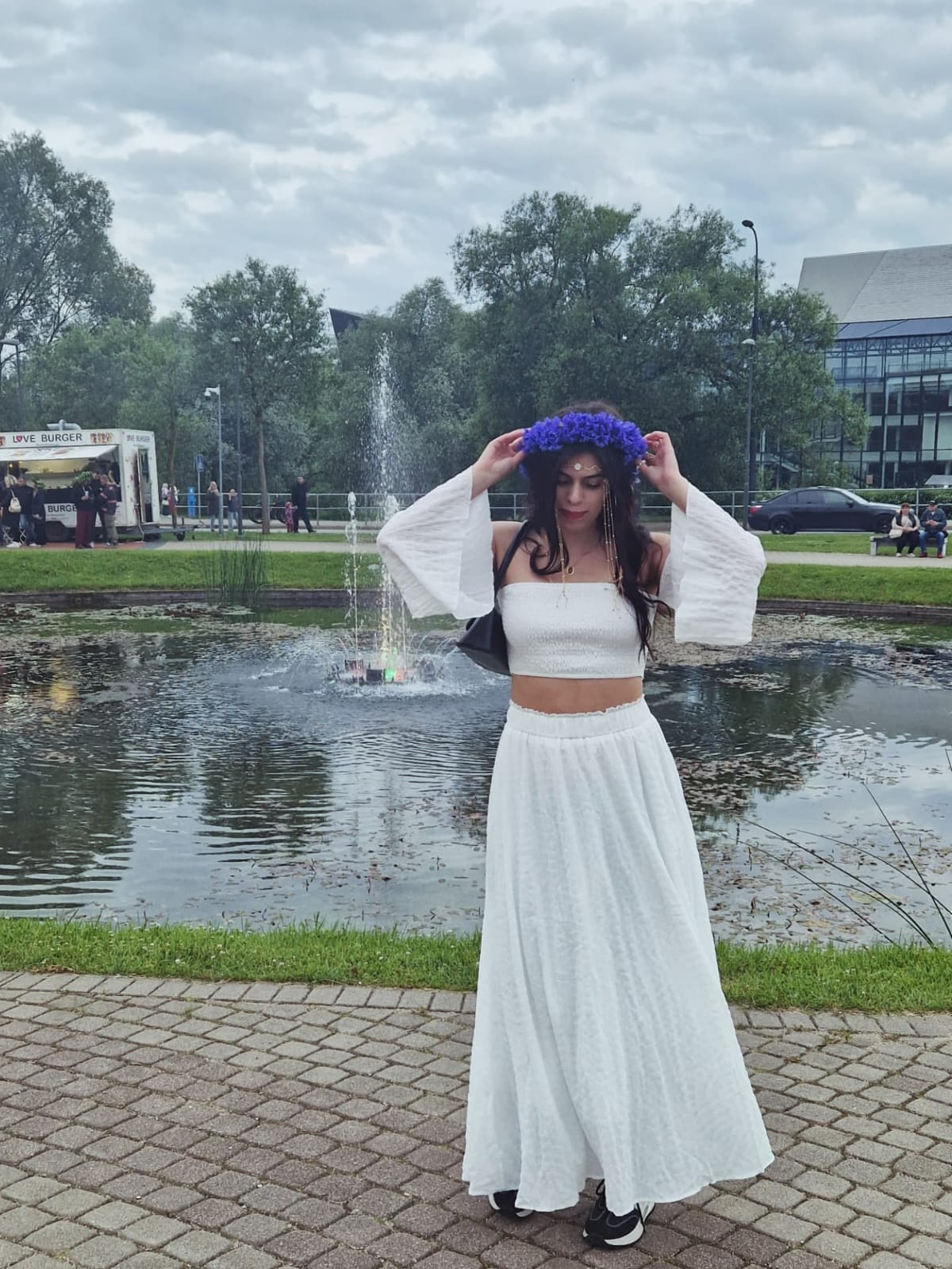
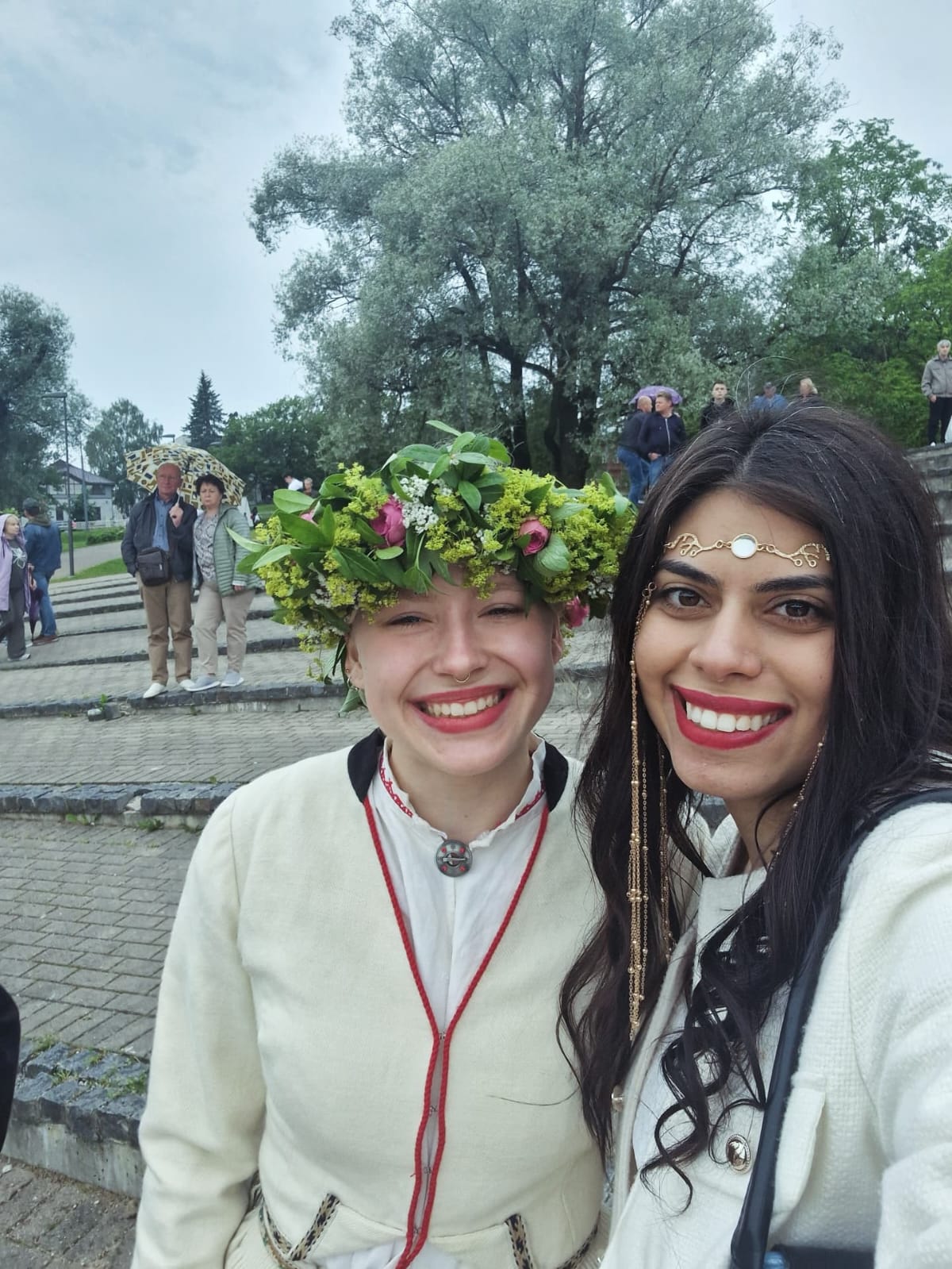
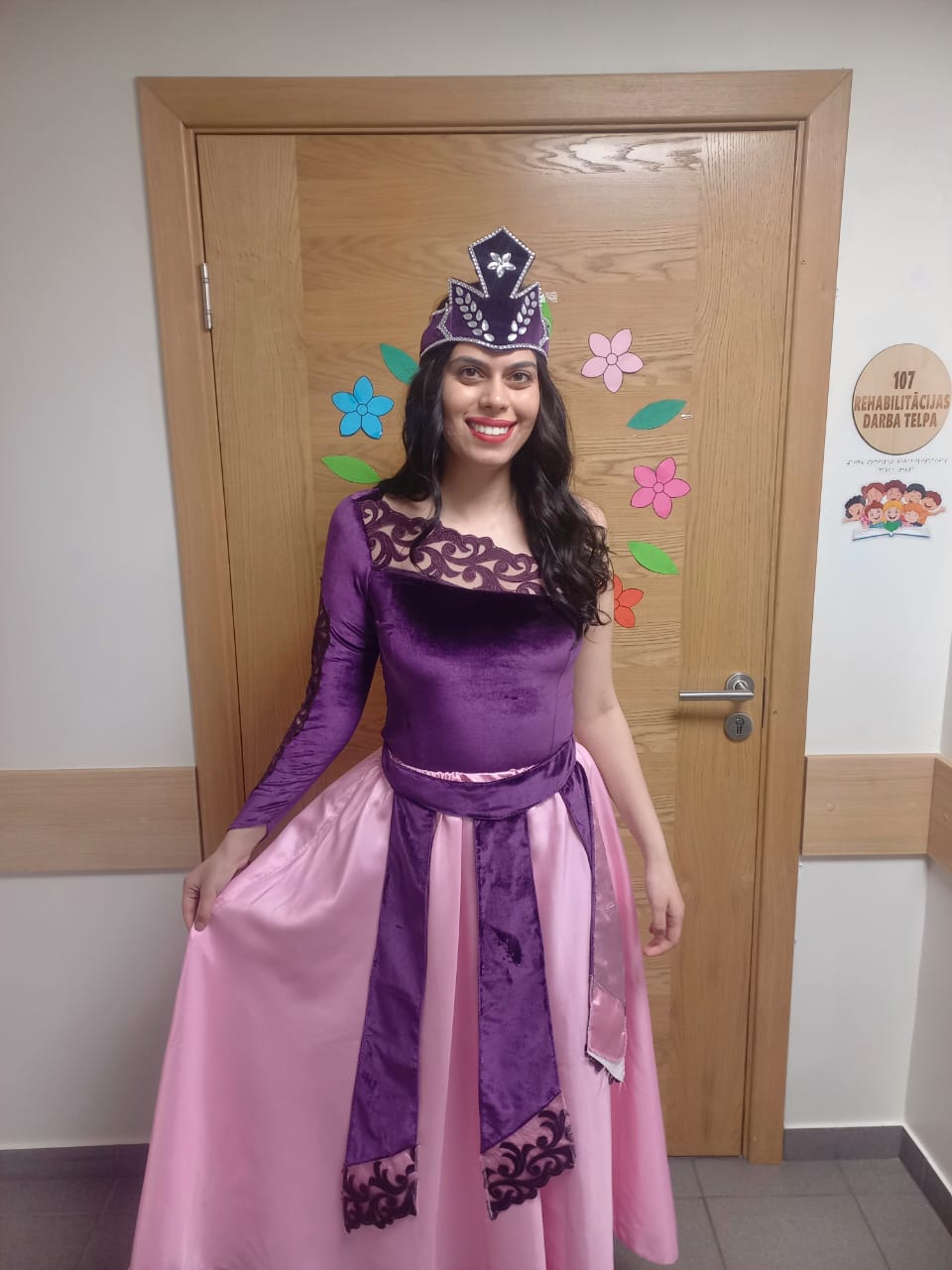
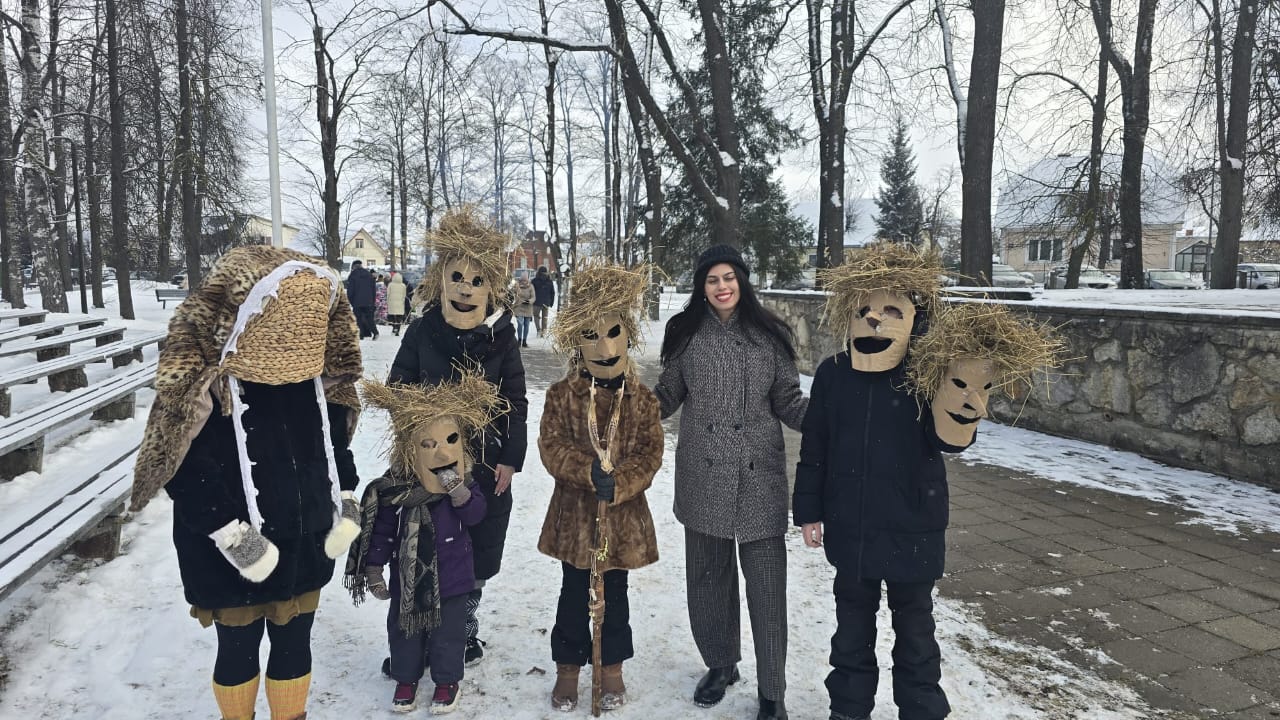
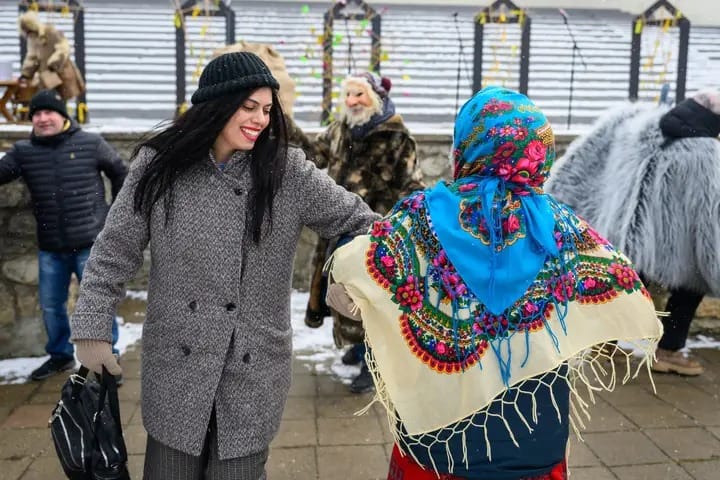
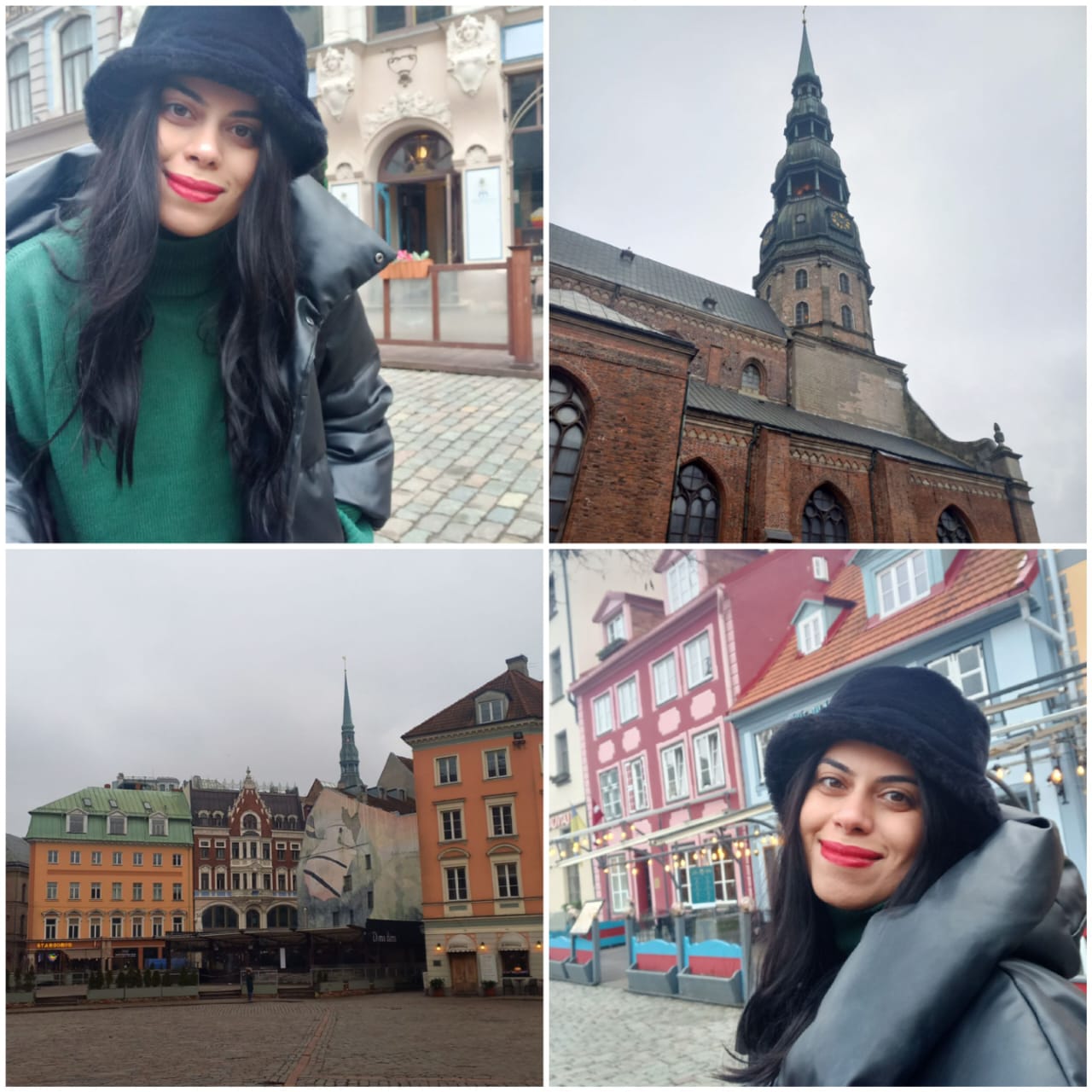
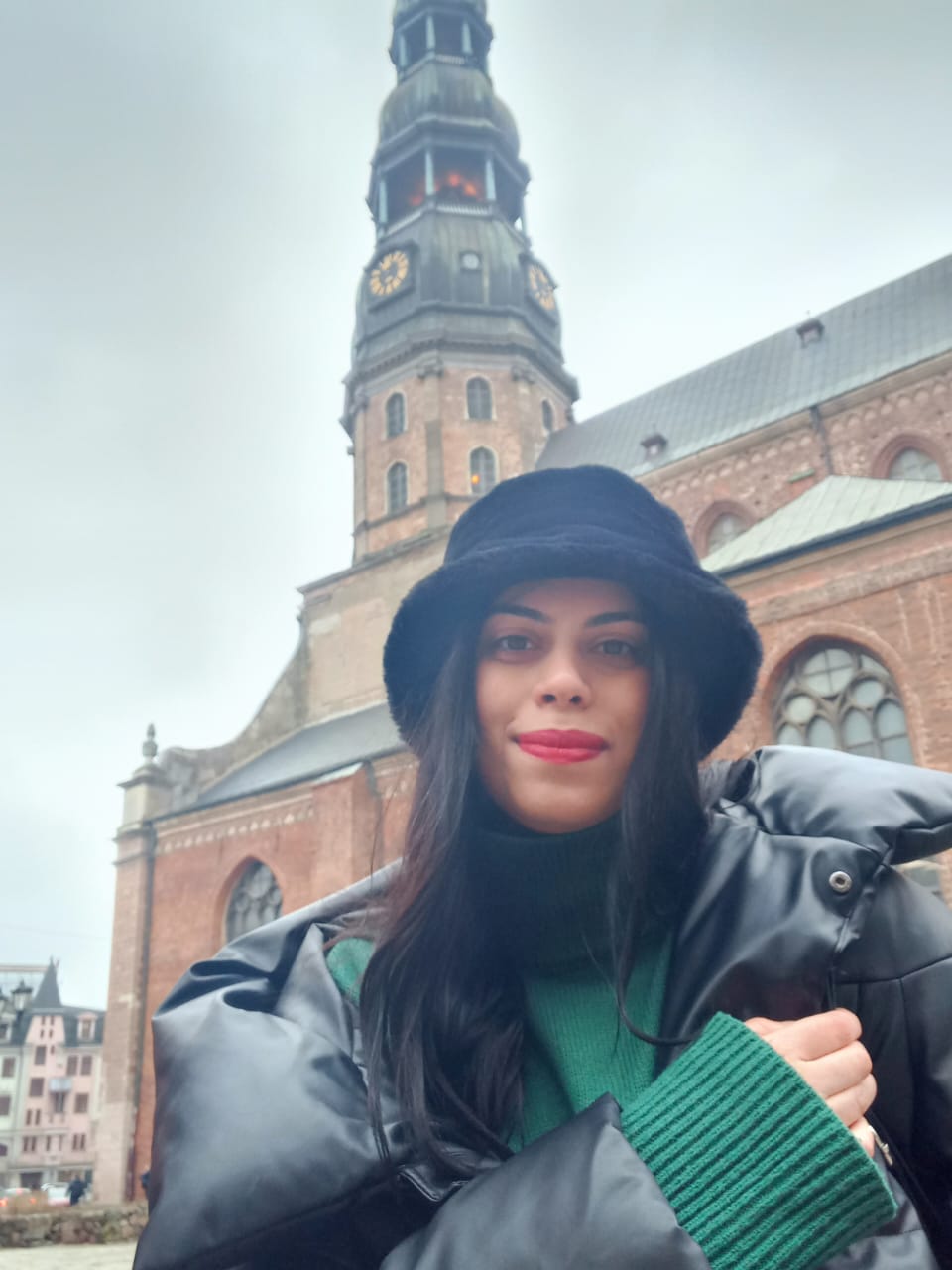
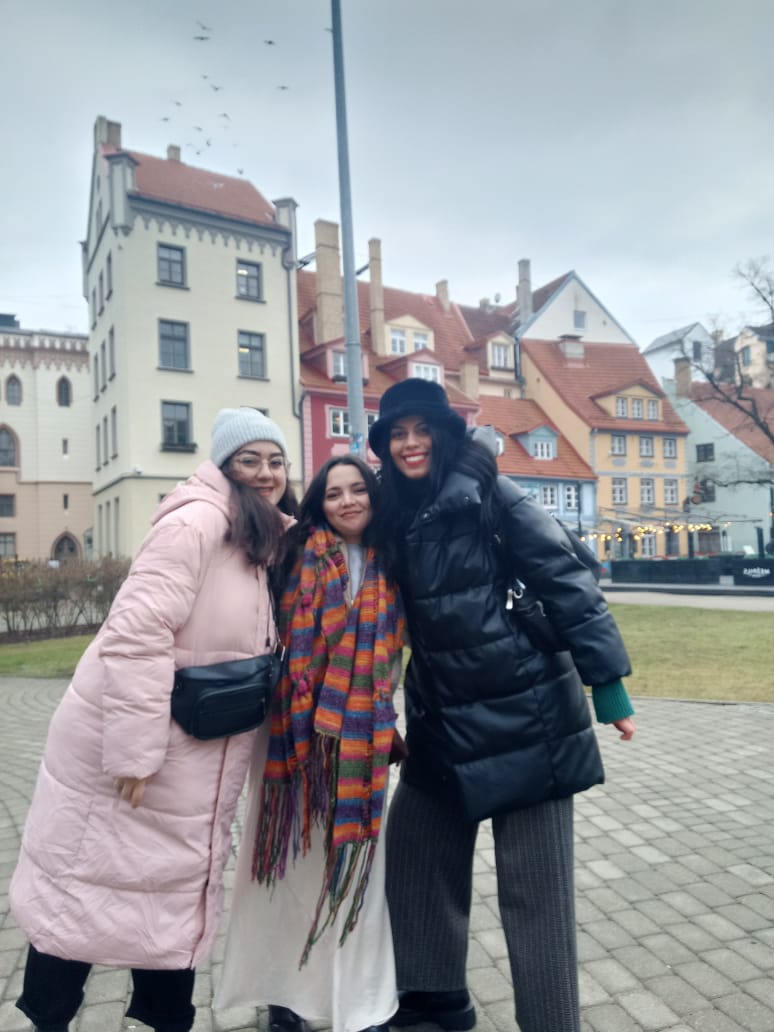
Hello! My name is Seda, and I completed my ESC project in a small town in Latvia called Rezekne.
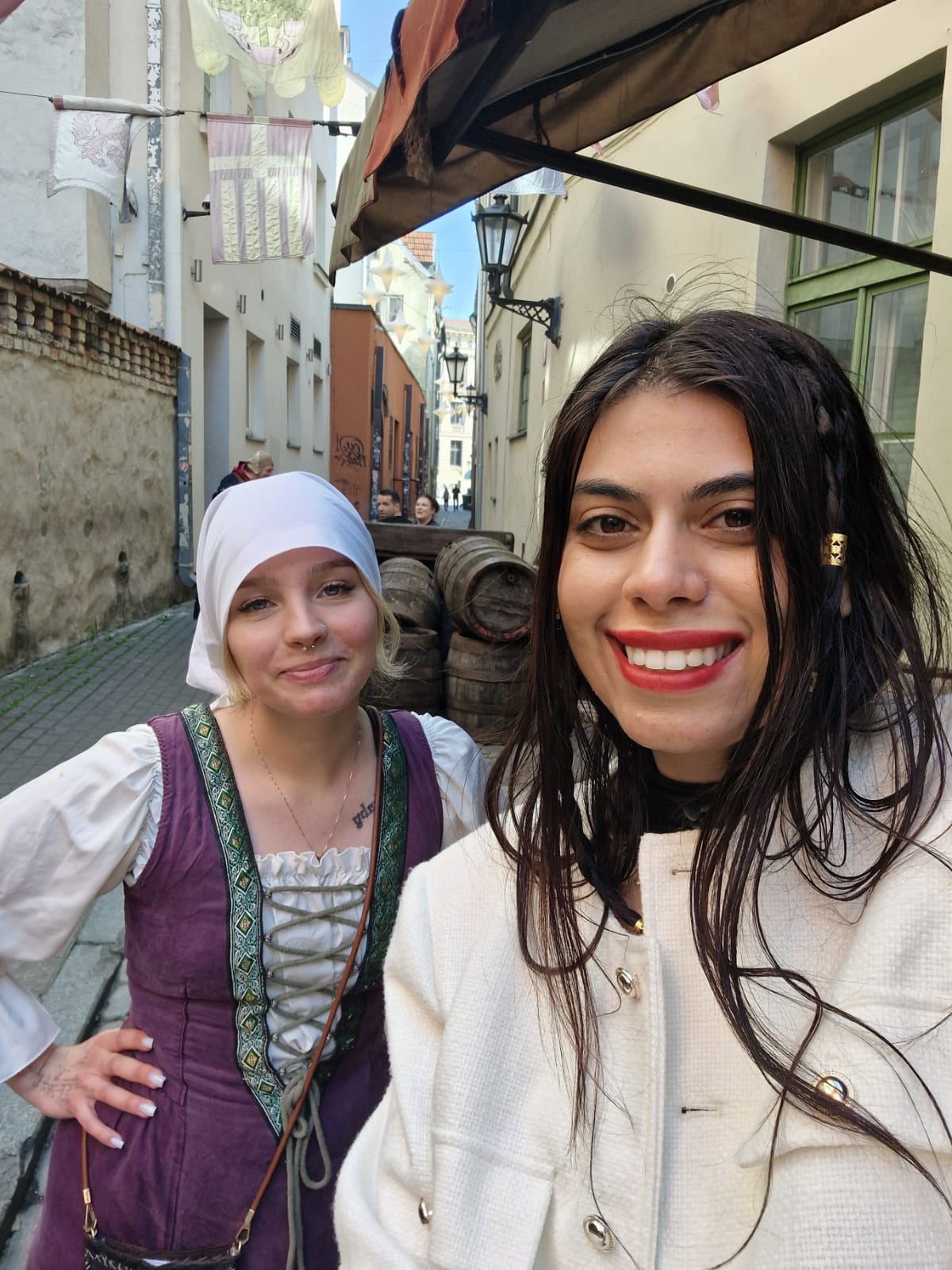
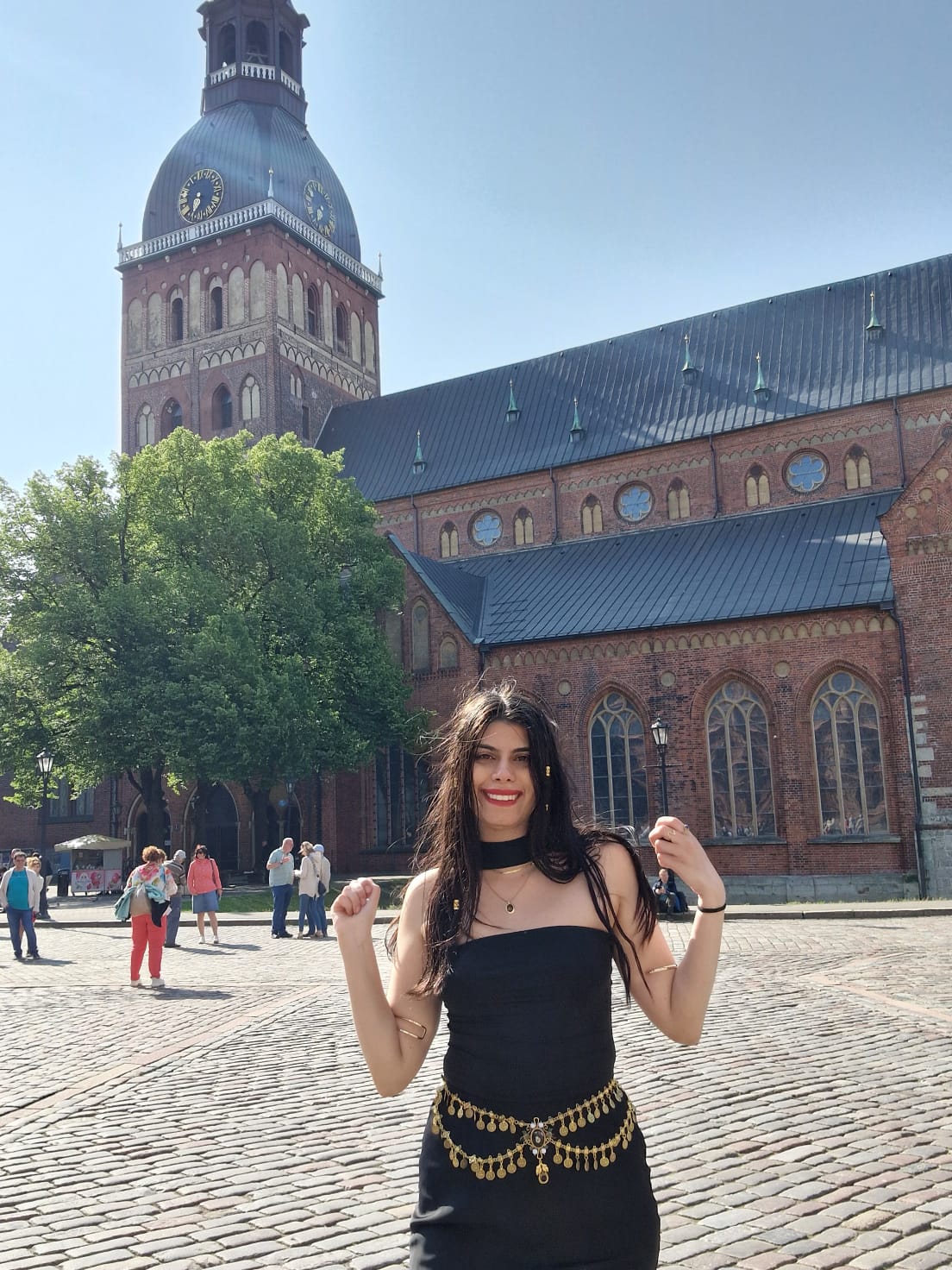
Latvia is generally a calm and mostly safe country, with a relatively small population. The capital city is vibrant and, in my opinion, the best among the Baltic capitals. However, the weather can be quite challenging—you can expect rain even in the summer months. Russian is widely spoken, which makes daily communication very easy, but it also gives the feeling of being in a post-Soviet space rather than in Europe.
Rezekne itself felt very quiet and limited to me. Personally, I struggled with the lack of activities and opportunities outside of volunteering hours. Looking back, if I could change one thing, it would certainly be my choice of location. I would strongly recommend future volunteers to choose cities with airports or ones closer to the capital, as life can feel quite isolated otherwise.
My experience with the mentors was mixed. On the positive side, they were kind, responsive, and supportive in practical matters. They helped us navigate the country, answered our questions, and even arranged a new fridge for us when needed. At the same time, I felt there was a lack of initiative when it came to making our experience more engaging and culturally rich. Over time, interaction with them became less frequent, and our routine turned into simply going to the volunteering place and then returning home, with little else to do in the city.
Housing was another challenge. I had asked for photos of the accommodation before arriving in Latvia, but they were never provided. When I arrived, the house turned out to be quite outdated and far from what I had expected. This was disappointing and affected my initial adaptation.
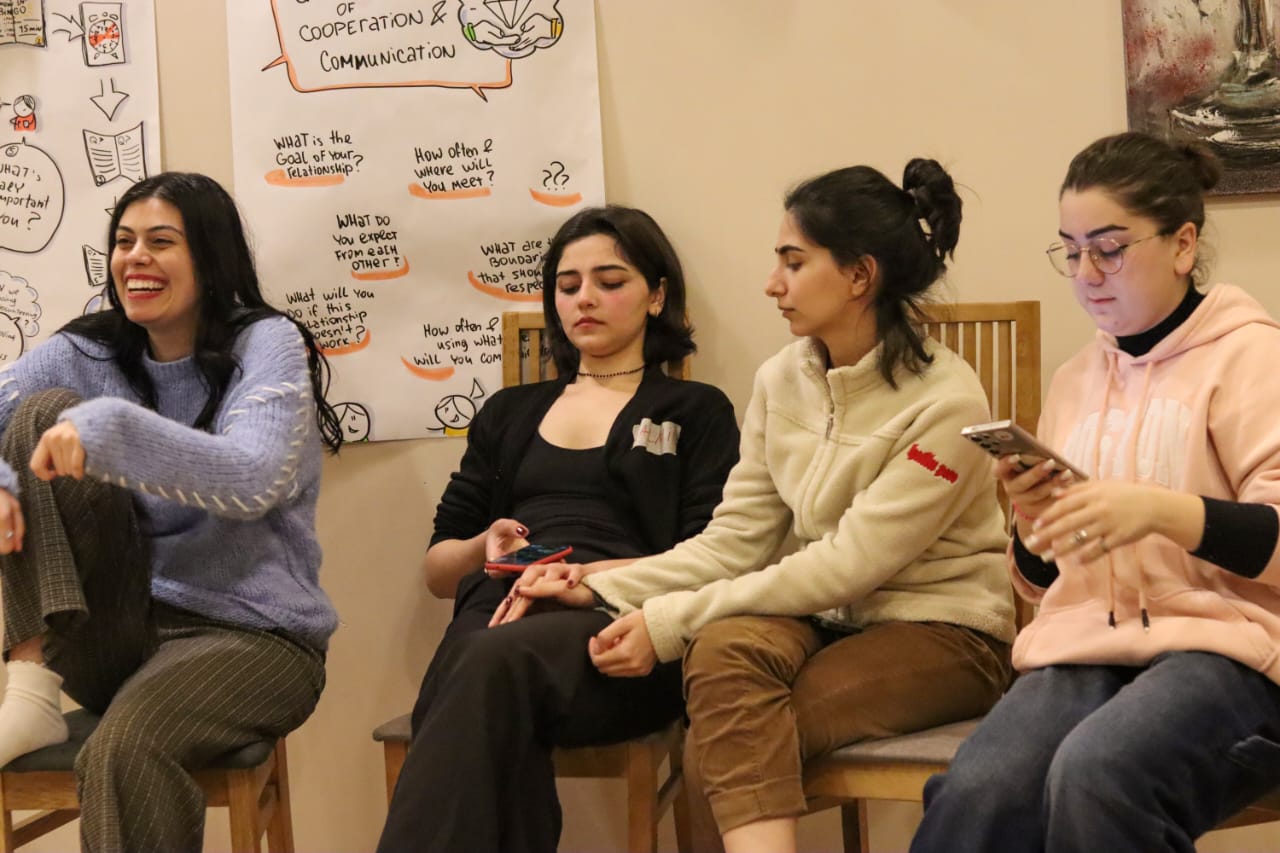
Unfortunately, I was also unlucky with my fellow volunteers. Most of them were from the same cultural background (Turkey and Azerbaijan) and tended to socialize only among themselves. I had been very excited about meeting people from diverse countries and cultures, and this lack of inclusion was incredibly upsetting. I want to emphasize that this was my personal experience—other volunteers in the same city had much better group dynamics.
Regarding the volunteering projects themselves, my placement was at a center for adults with mental disabilities. This came as a surprise, as the project description mentioned “youth with disabilities,” which I interpreted very differently—I expected to work with children. I felt that this information was misleading. Moreover, I personally believe that such work requires specific qualifications and is not suitable for an average volunteer. Combined with living in a town where I already felt disconnected, this placement was especially challenging for me.
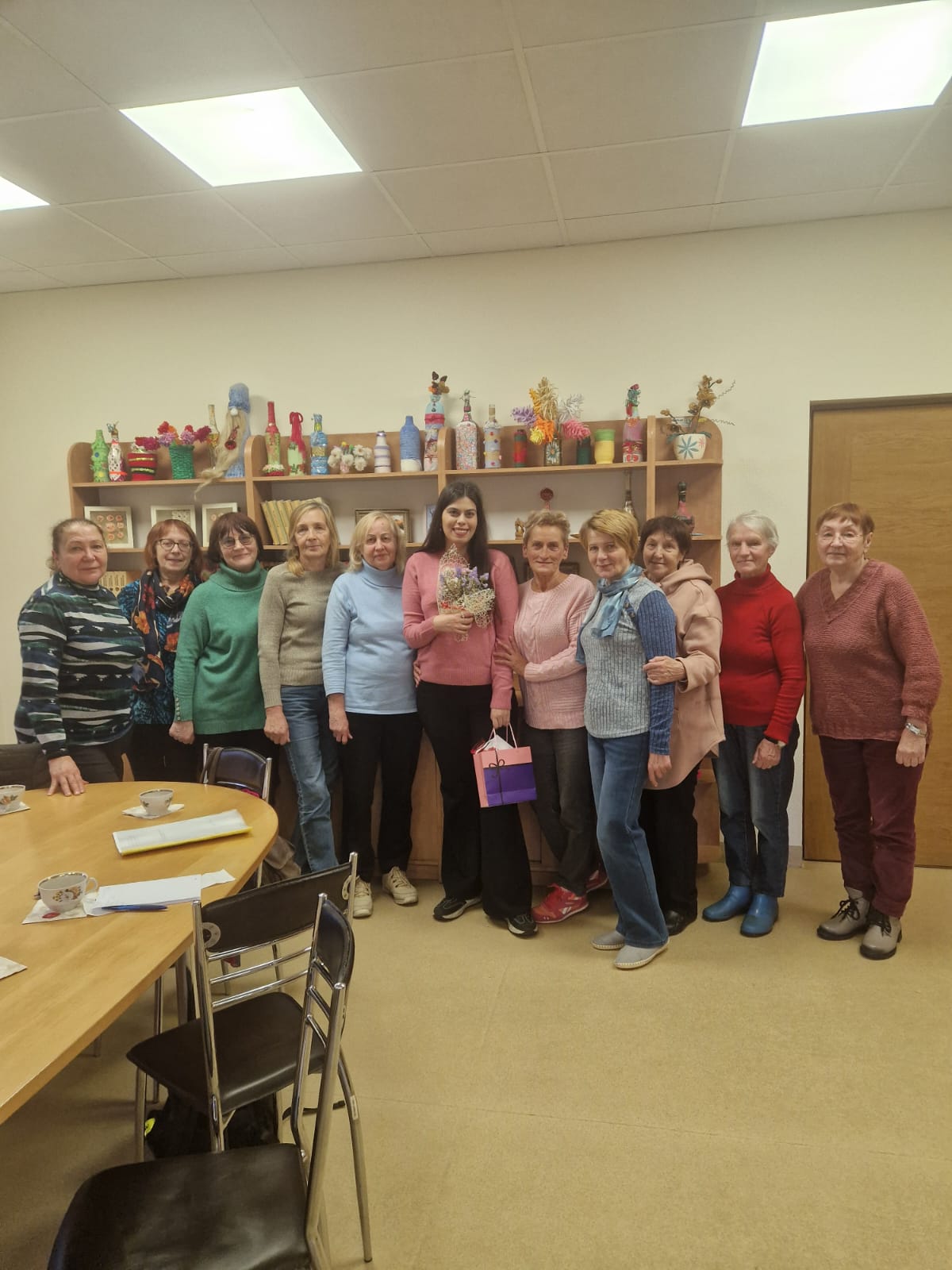
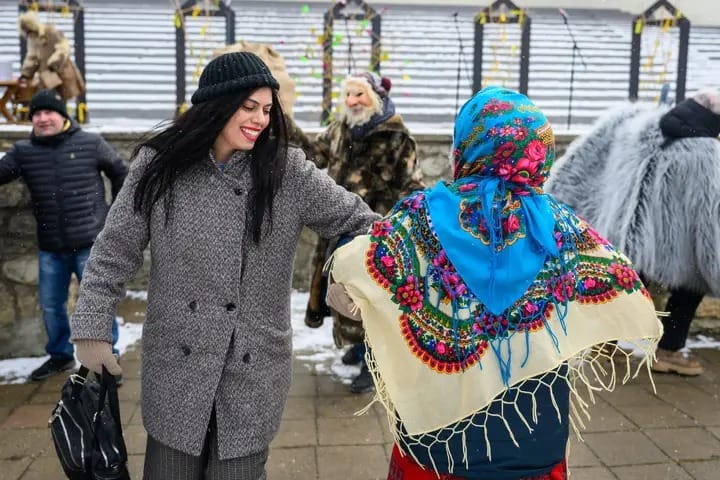
In addition, I was assigned to teach English to a group of elderly Latvian women. This became the highlight of my entire ESC experience. The women were kind, motivated, and genuinely eager to learn. Despite their age, they made impressive progress, and our lessons were both productive and joyful. They told me that in seven years of hosting volunteers, I had managed to gather the largest group of students—around twelve ladies. Hearing this made me feel deeply valued and proud of the impact I had.
In the end, my ESC experience was not easy, but it was meaningful. While I faced many challenges, I also created moments of real connection and left a positive mark on the people I worked with.
Our Reflection as a Sending Organisation
ESC volunteering can be challenging—emotionally, socially, and mentally. Feeling disappointed, isolated, or misunderstood does not mean you are weak or ungrateful; it means you are human. Not every placement, city, or group dynamic will be the right fit, and sometimes expectations and reality do not fully align.
It is also important to clarify that ESC does not promise luxury accommodation. The programme is based on simple and normal living conditions, similar to what many local young people experience. During our pre-departure trainings, we clearly communicate this to all volunteers. Accommodation details are often not shared in advance, as housing arrangements can change even at the last moment due to local circumstances beyond the control of hosting organisations.
What is essential—and required by ESC standards—is that volunteers are provided with adequate, safe, and functional living conditions, which was the case in this project. Comfort and modernity may vary, but dignity, safety, and basic needs must always be met.
What matters most is speaking up, seeking support, and remembering that even in difficult circumstances, your presence can still create value—for others and for yourself. Growth does not always look like happiness; sometimes it looks like resilience, adaptation, and learning to advocate for your needs.
Seda’s story reminds us that ESC is not about perfection—it is about honesty, learning, and impact.